This post is also available in: Français (French) Deutsch (German)

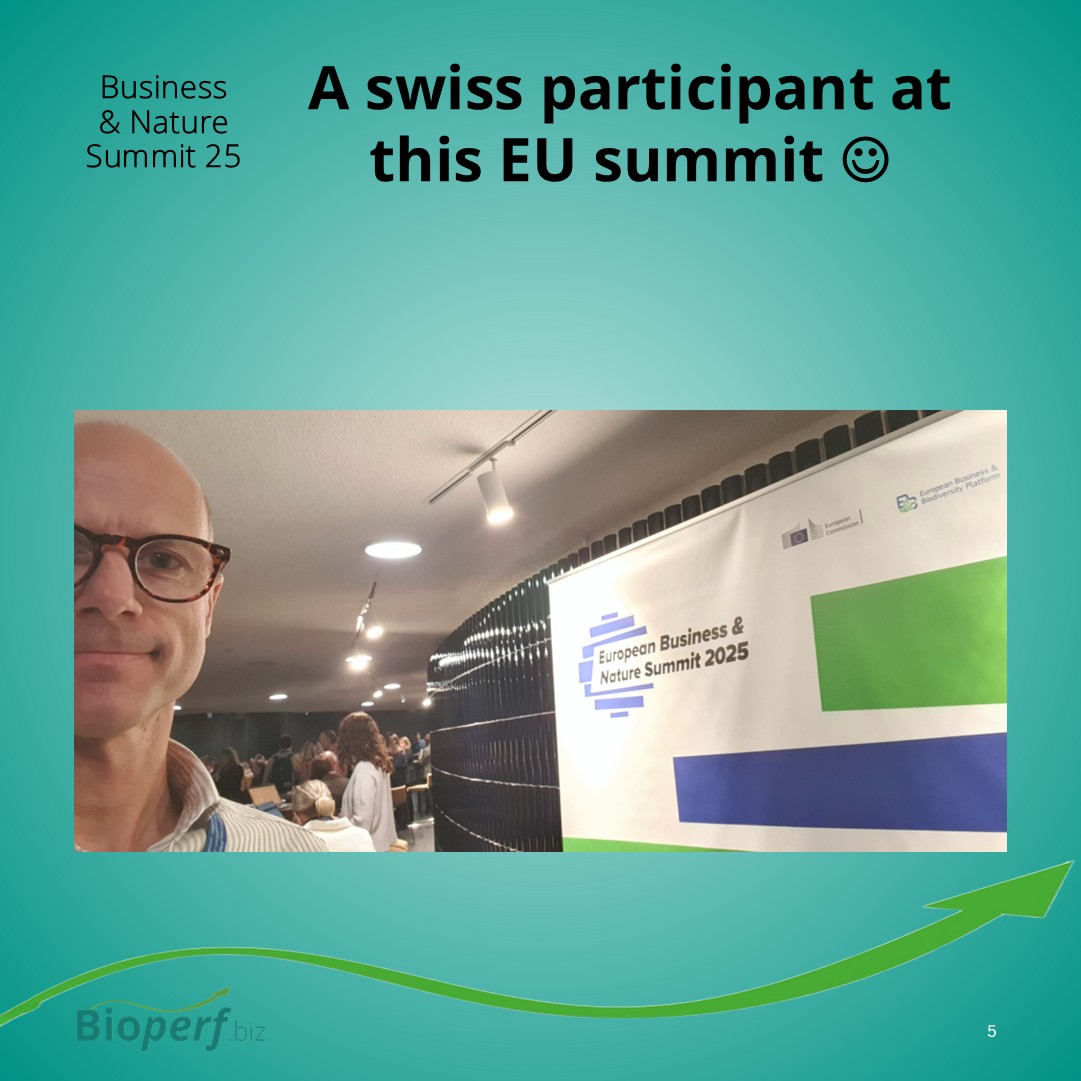
🌿 I was pleased to join the 🇪🇺 Business & Nature Summit 2025 🇫🇮, where leaders and innovators shared practical ideas and insights on integrating nature into business strategy and promoting sustainability.
My top takeaways:
🏆 Business Competitiveness: Unlocking New Opportunities
- Leading the way in corporate nature: Companies that set the pace in embedding nature-positive practices within their operations are not only enhancing their brand reputation but also gaining a strategic edge over competitors. This involves proactively adopting innovative solutions that support biodiversity and ecosystem health, and making nature a core part of the corporate mission.
- Anticipating emerging trends through product innovation: By developing and launching new products and services that are aligned with nature-oriented values, businesses can stay ahead of market shifts. This readiness to innovate ensures they are well-placed to respond to evolving consumer preferences and regulatory requirements, securing long-term growth and relevance.
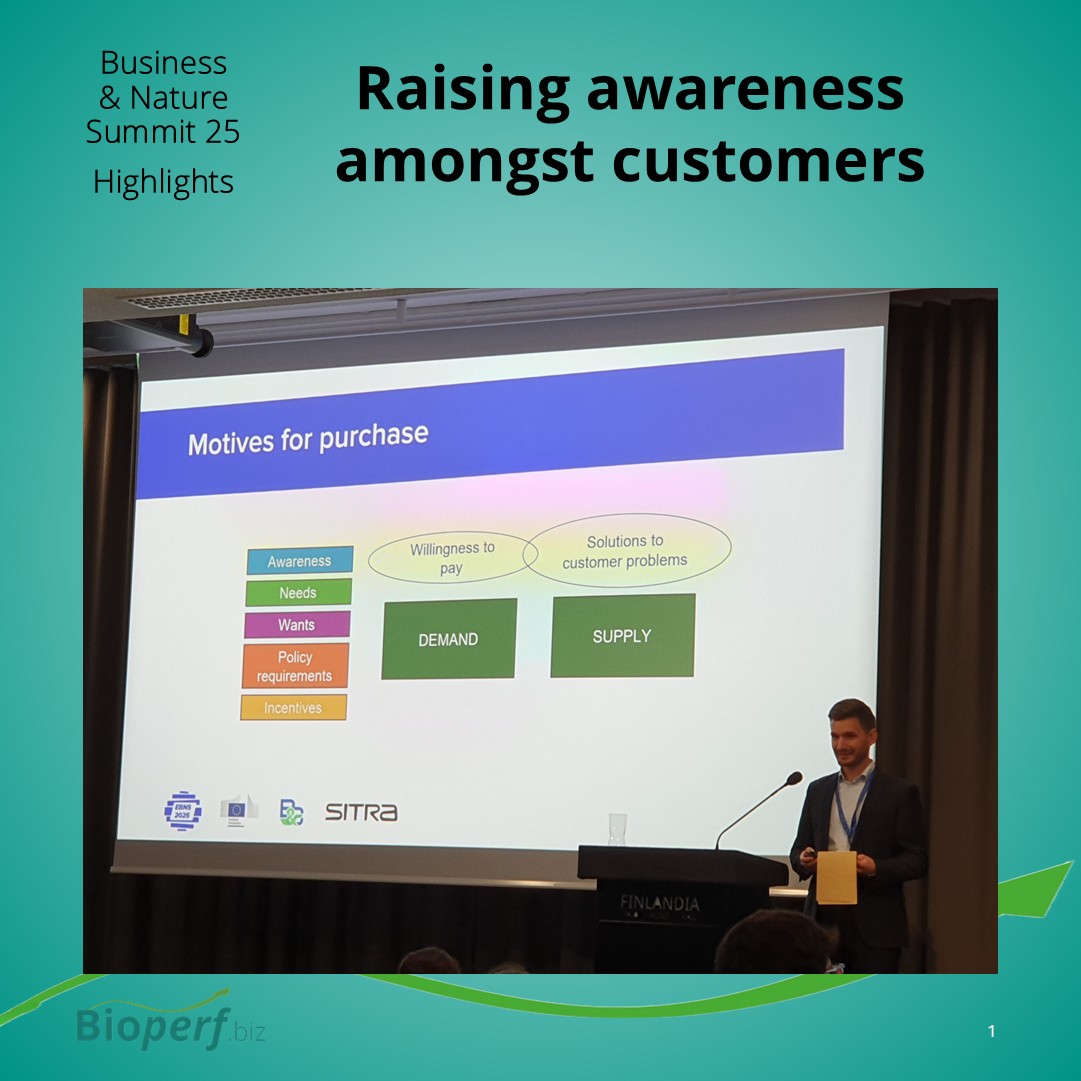
- Raising awareness amongst customers: Integrating nature-focused messaging and education into customer engagement strategies helps build a loyal and informed client base. By sharing stories, visuals (such as picture 1), and data about the company’s nature initiatives, organisations can inspire stakeholders to support and participate in their sustainability journey.
🧘 Building Resilience by Mainstreaming Nature
- Comprehensive risk assessment and mitigation: Regularly evaluating and addressing nature-related risks is widely acknowledged as a cornerstone of effective business resilience. By identifying vulnerabilities and implementing mitigation strategies, organisations can better safeguard their assets and operations against environmental disruptions and regulatory changes.
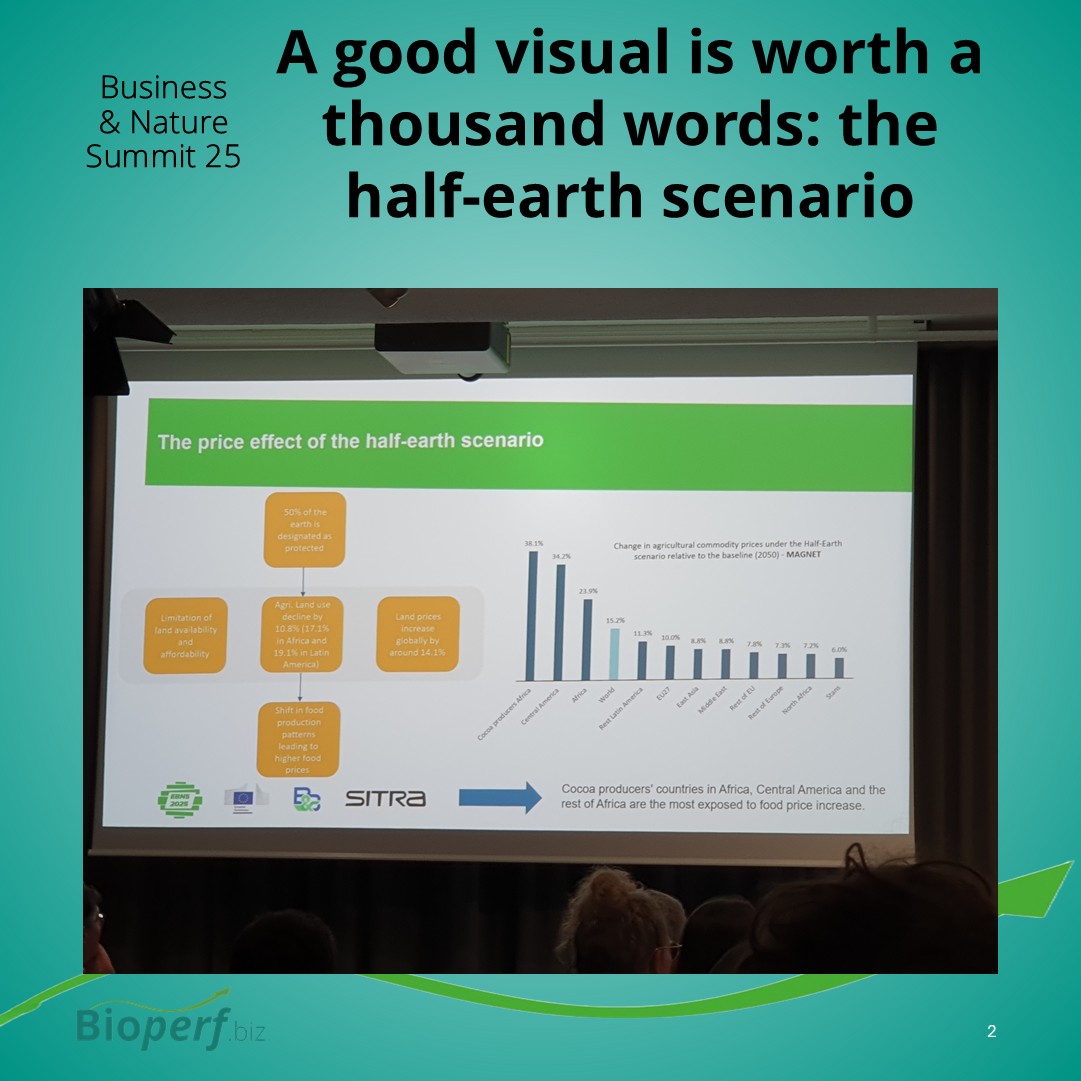
- Collaborative stakeholder engagement at the landscape level: Success in mainstreaming nature requires working closely with a diverse range of partners, including communities, NGOs, and other businesses. This broader approach, which goes beyond traditional direct operations (DOs), fosters shared learning and collective action. Visual representations, such as picture 2, can illustrate the impact of these collaborations.
- Integrating nature-related directions, inputs, risks, and opportunities (DIROs): Embedding DIROs into core company processes drives increased uptake and buy-in from employees and leadership. It also ensures that nature is considered at every decision point, paving the way for measurable improvements in sustainability performance and business outcomes.
Further Topics for Development:
1️⃣ Assessing Risks and Opportunities (ROs) via Ecosystem Service Evaluation: To effectively evaluate a company’s impact and dependencies on nature, working with ecosystem service frameworks is highly beneficial. This approach allows for detailed tracking and transparent disclosure of contributions to biodiversity, which requires adopting robust and scientifically grounded metrics for reporting progress.
2️⃣ Making Nature Bankable – Bridging Finance and Ecology: A significant challenge remains in translating nature-positive initiatives into economically viable investments. Greater cross-sector collaboration between financial institutions and companies is needed to foster innovative financial solutions, such as green bonds, impact investing, and natural capital accounting, which can help scale up nature-based projects and drive systemic change.
Finally, some encouraging developments:
✨ Perseverance in the Face of Challenges:
It is inspiring to see that many businesses are pressing forward with ambitious nature strategies, even amid complex legislative changes such as the omnibus law and varying political responses. Visual documentation (picture 3) highlights examples of companies demonstrating resolve and adaptability.
🚀 Finance Shift – Investor Engagement on Nature Risks
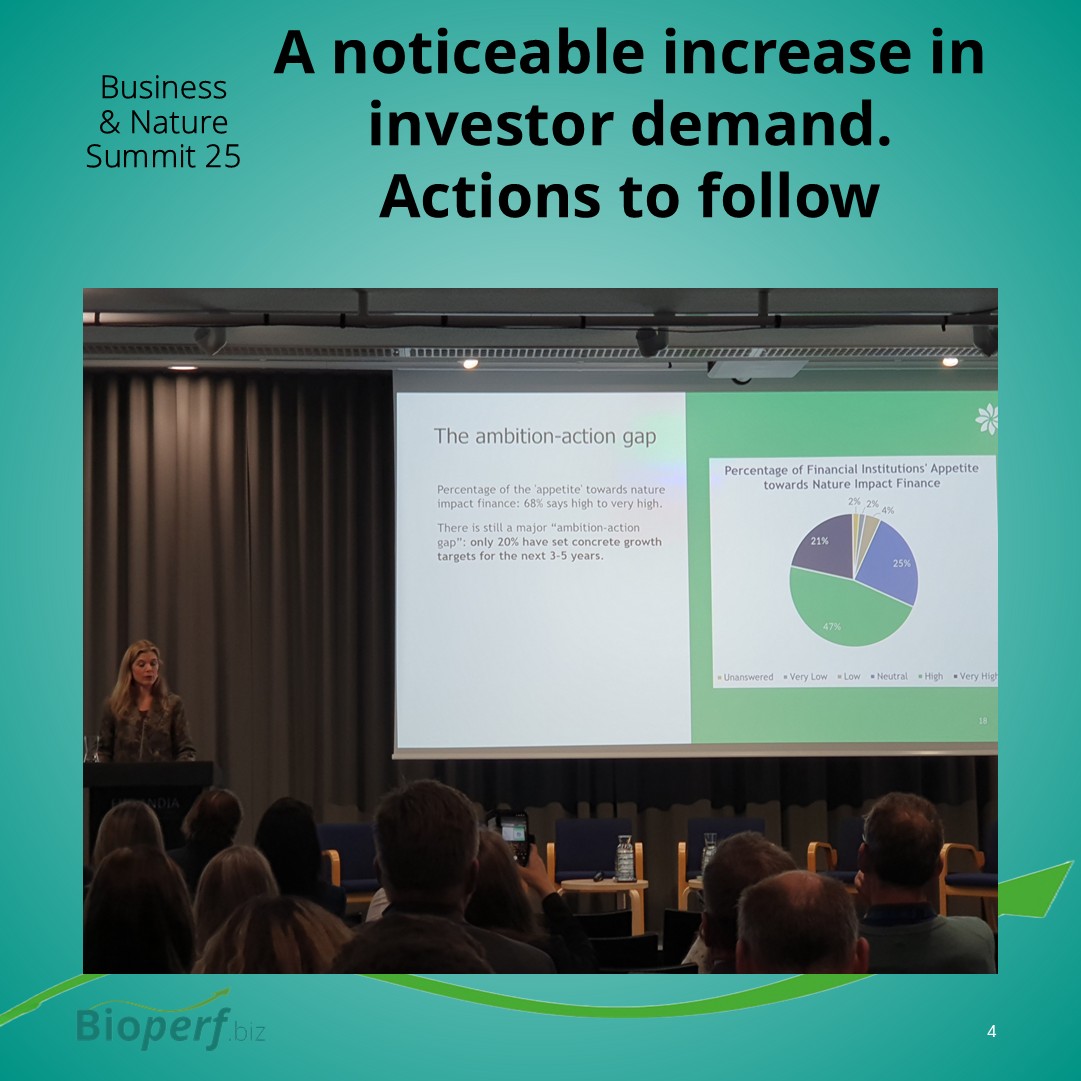
There is a noticeable increase in investor demand for companies to both disclose and actively manage their nature-related risks. This shift is prompting businesses to prioritise transparency and accountability, driving progress towards sustainable finance and more responsible investment practices (as shown in picture 4).
🌟 Innovation – Linking Nature to Business Viability
Forward-thinking organisations are piloting practical solutions that directly connect nature enhancement to long-term business success. By integrating nature into their value proposition, companies are demonstrating that sustainability is not just a moral imperative but a driver of market competitiveness and profitability.
With 💪🏼 and 💡 from BioPerf.biz.


Recent Comments